
Rarotonga is warm all year, so there's no bad time to go. The seasons do change what a trip feels like, though, and it's worth knowing them before you book.
Dry season: May to October
The dry season brings clearer skies, lower humidity, less rain and mild temperatures. It's the most popular time to visit and ideal for snorkelling, hiking the Cross-Island Track or doing very little on the beach. It's also the windiest part of the year, and evenings can feel cool, so pack a light layer.
Whale season: July to October
Humpback whales pass through the Cook Islands between July and October, with the most sightings from August to October. They often swim close to shore, so you can spot them from the beach. See our whale watching guide for the best places and tours.
Shoulder months: April and November
April and November sit between the seasons. The weather is still good, there are fewer visitors, and accommodation is often easier to find.
Wet season: November to April
The wet season is hot and humid, and it brings about two-thirds of the year's rain, often as heavy but short downpours. It's also the South Pacific cyclone season. Cyclones don't hit every year, but check the forecast before you travel and consider travel insurance that covers weather.
Whenever you go
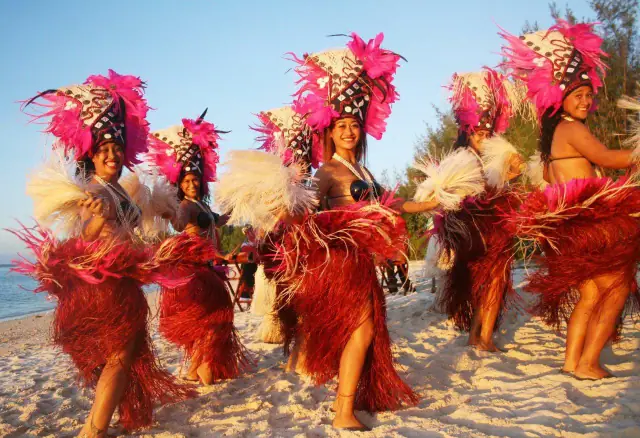
Whatever the month, you'll find warm water, island nights with traditional dance, fresh fish and tropical fruit, and a warm Kia Orana from the locals.