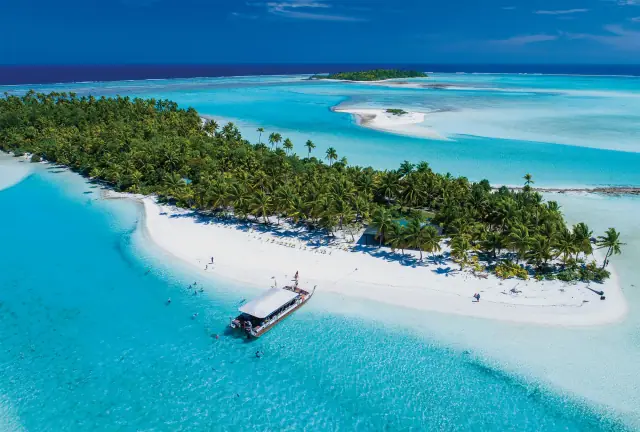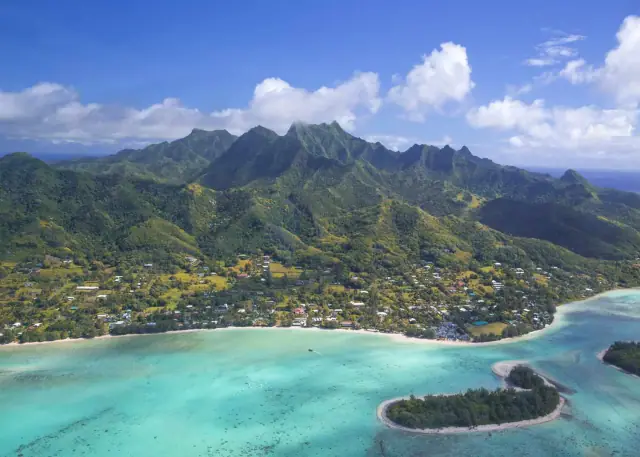
Rarotonga is the Cook Islands’ main gateway, but the Southern Group’s quieter islands and remote Manihiki offer a different pace. Expect close-knit communities, dramatic limestone landscapes and fewer visitor services. The official outer-island overview describes these islands as remote and unspoiled. Flights link them with Rarotonga, though the timetable depends on the destination. Plan the practical details before you go, and leave room for island time.
Getting there from Rarotonga
Air Rarotonga operates the domestic network. The Cook Islands Tourism flight guide lists services to Atiu, Mangaia and the other Pa Enua. Flights to Atiu and Mangaia are the most predictable: Cook Islands Tourism lists departures on Monday, Wednesday and Friday, averaging about 45 minutes. Its Atiu guide gives roughly 45 minutes, and its Mangaia guide about 40 minutes. The Mauke guide gives about 50 minutes from Rarotonga, while the Mitiaro guide estimates about 1.5 hours. These are short hops by Pacific standards, but flights to Mauke and Mitiaro are not published as fixed daily services: Tourism says flights to the other Pa Enua are demand-based, so ask Air Rarotonga or a local package provider for dates and routings before confirming accommodation.
Manihiki is in the Northern Group, about 1,200 kilometres from Rarotonga. Air Rarotonga says scheduled flights operate each fortnight. Its page does not state a flight duration, so check the current itinerary rather than planning around an assumed travel time. The northern atoll airport can also require a boat transfer across the lagoon. Air Rarotonga’s schedule and flight-status page is the place to check current operations. Don’t assume a multi-island hop between Atiu, Mauke and Mitiaro: confirm that exact routing with the airline, as published information does not establish a dependable combined service.
Atiu: caves, forest and birdlife
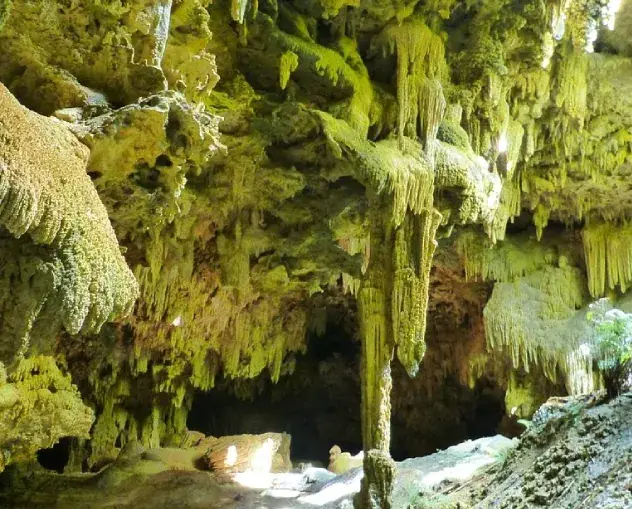
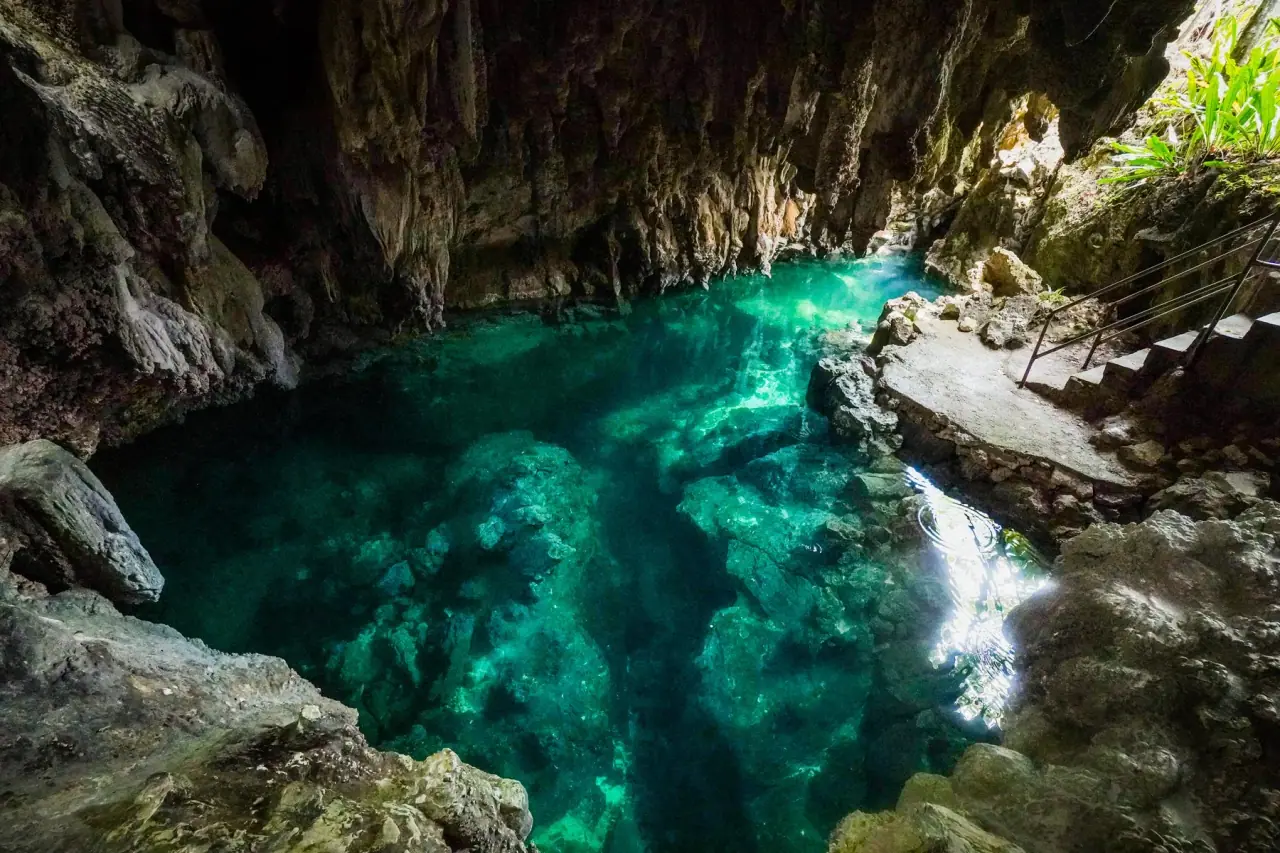
Atiu is a raised island with volcanic hills encircled by a band of fossilised coral, or makatea, riddled with limestone caves, as Air Rarotonga’s Atiu guide describes. The official Cook Islands Tourism guide calls it Enuamanu, “land of birds”: native species include the cave-dwelling Kopeka, which navigates in darkness using sonar, as well as the Kura and Kakerori. It also describes swimming pools in some caves and forest walks to Anatakitaki Cave. Ask a local guide before entering caves or swimming; they are not casual, marked attractions.
These local listings give a useful starting point for arranging a visit:
- Atiu Eco-Adventure Anatakitaki Cave Tour offers a guided cave and Kopeka experience. Where: Tengatangi.
- Birdman George Eco Tours focuses on Atiu’s birdlife, natural history and walking. Where: Areora.
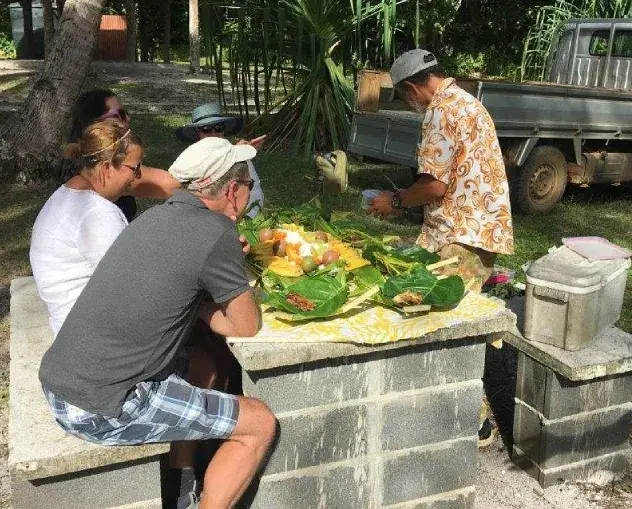
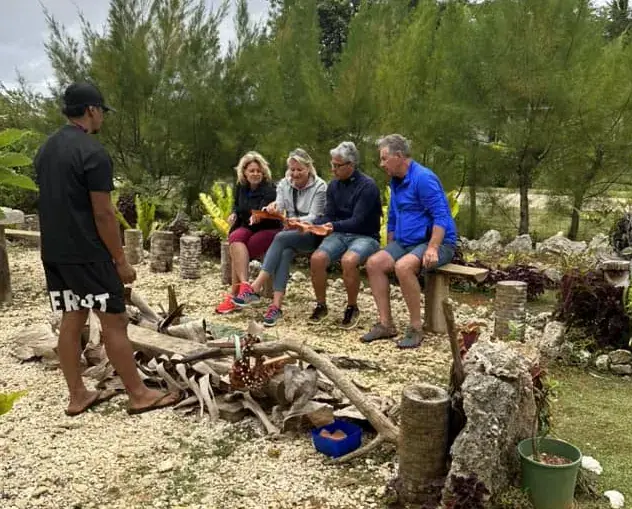
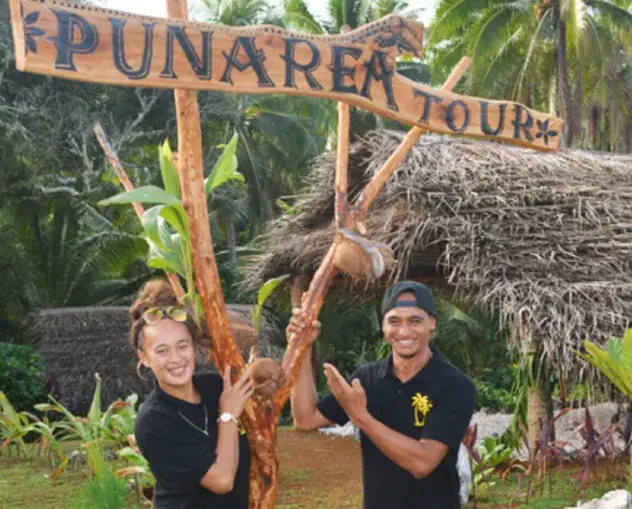
- Atiu Punarea Culture Tours shares local cultural practices through demonstrations and storytelling. Where: Areora.
- Traditional Hunting with Punarea Culture Tours is a rainforest activity centred on traditional hunting practices. Where: Areora.
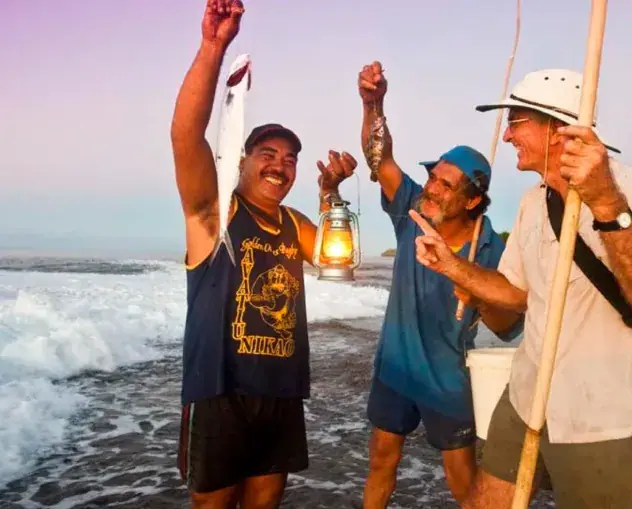
- Reef Fishing with Andrew offers day and night fishing trips with a local family. Where: Tengatangi.
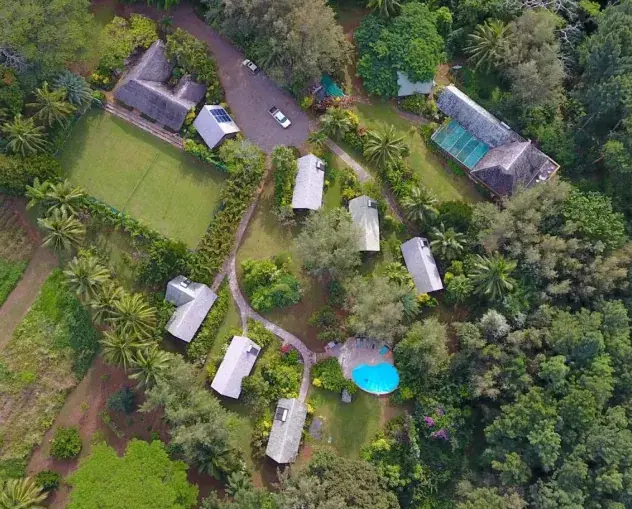
- Atiu Villas is a villa stay with a pool, restaurant and tour arrangements. Where: Areora.
- Atiu Kia Orana Bungalows offers self-contained villa accommodation and bicycle hire. Where: Areora.
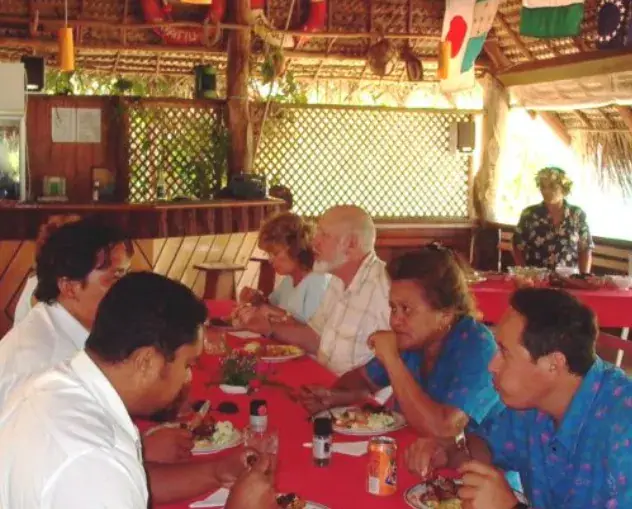
- Kura’s Kitchen serves local and Polynesian food in a communal dining setting. Where: Areora.
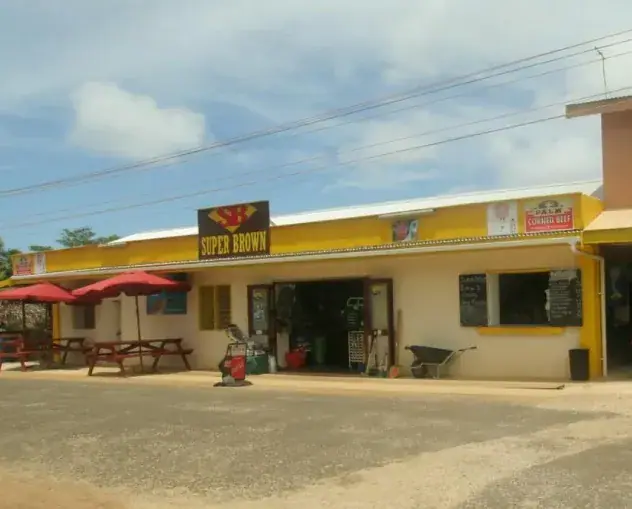
- Super Brown Atiu combines a convenience shop with casual food and vehicle hire. Where: Mapumai.
Mauke: the garden island
Mauke is known as the Garden Island for its wild flowers and cultivated home gardens. Beneath its green interior, fossilised coral creates a rugged makatea edge, with caves and underground freshwater lakes. Cook Islands Tourism’s Mauke guide describes its coral roads, coconut palms and small community; Air Rarotonga’s island guide highlights freshwater caves, coves and cliffs. This is a place for unhurried walks and local guidance, not a packed excursion schedule.
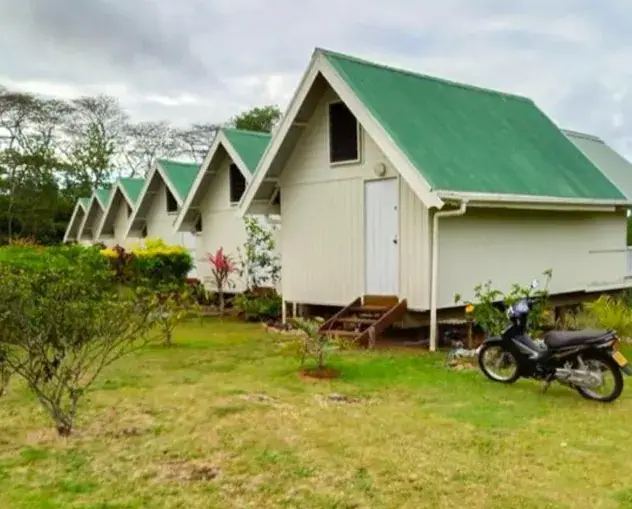
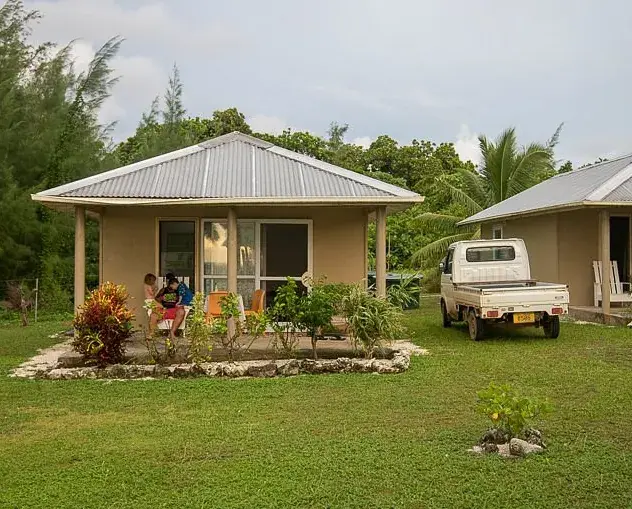
- Ri’s Retreat is family-owned accommodation with self-catering units and scooter hire. Where: Kimiangatau.
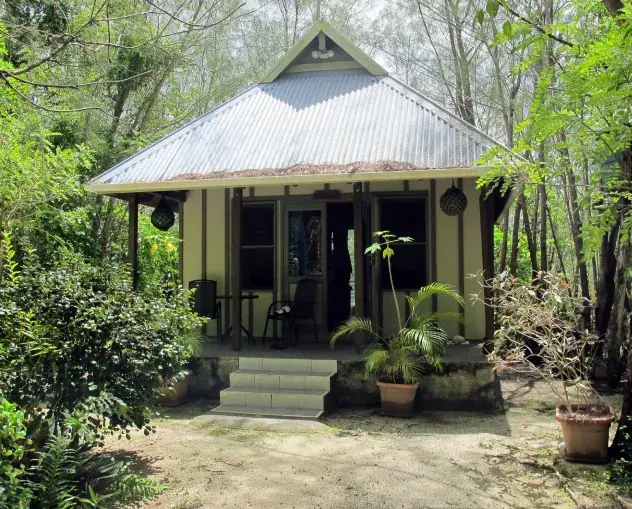
- Tiare Cottages has cottage accommodation, including a unit set on the makatea with a beach cove. Where: Kimiangatau.
Mitiaro: swimming caves and lakes
Mitiaro is a raised-coral island ringed by makatea. Its freshwater caves and pools are a signature draw; the official Cook Islands Tourism guide highlights freshwater caves and lakes, while Air Rarotonga’s Mitiaro guide describes Vai Nauri as an emerald cave pool and names the lakes Rotonui and Rotoiti. Local advice matters before swimming: speak with a host or guide about access and conditions. The pace is gentle, with a small community and a landscape that rewards time on foot.
- Divine Retreat is guest accommodation with breakfast and hosts who can arrange car hire. Where: Mangarei.
Mangaia: ancient makatea
Mangaia is a raised atoll with a volcanic interior ringed by high makatea cliffs of fossilised coral. The Air Rarotonga guide to Mangaia describes the porous limestone as honeycombed with sinkholes, tunnels and caves; Teruarere Cave runs through connected chambers near the northern makatea. Cook Islands Tourism’s Mangaia page describes the island as ancient, remote and the southernmost in the group. Its scale and jagged coastal formations make it distinct from the lagoon-island image many visitors associate with the Cooks. Go with local guidance rather than attempting unfamiliar caves alone.
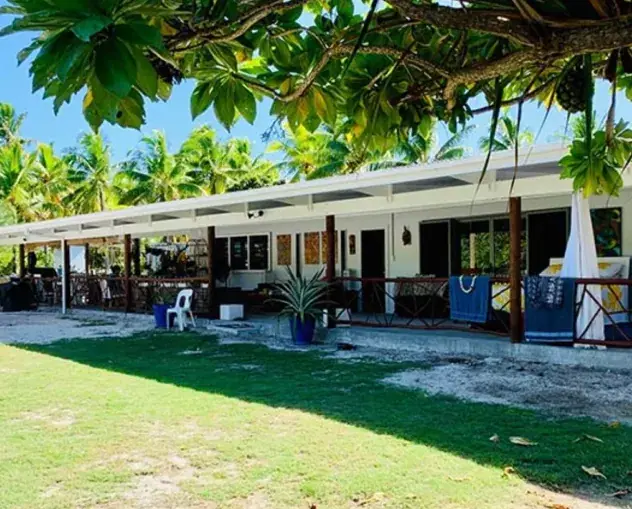
- Babes Place provides motel units and a family house, with vehicle hire and airport transfers arranged by the hosts. Where: Oneroa.
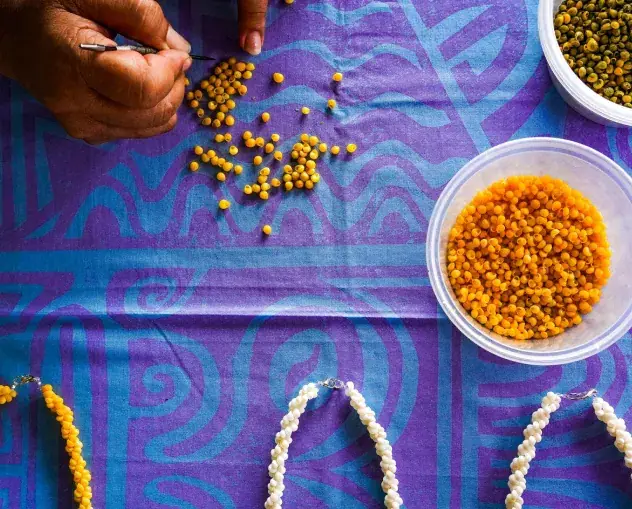
- Mangaia Golden Shells Tour introduces the local craft of collecting and making Pupu shell adornments. Where: Oneroa.
Manihiki: black pearls and a deep lagoon
Manihiki is a far-north atoll: small coral islets enclose a deep lagoon where family pearl farms seed, clean and harvest black-pearl oysters. The official Cook Islands outer-island guide describes the atoll’s pearl farms on coral outcrops; Air Rarotonga’s Manihiki page lists lagoon swimming, snorkelling, diving and pearl-farm visits. Air Rarotonga describes Manihiki as remote and rarely visited, with lodge accommodation available. Arrange lodging, activities and airport-to-village transfers directly before travelling.
- Manihiki Lagoon Villas offers two self-contained bungalows beside the lagoon and can arrange pearl-farm tours. Where: Tauhunu.
Practical planning
Take enough New Zealand dollars in cash from Rarotonga. Cook Islands Tourism’s travel tips advise that card payments are not readily available on the outer islands; do not assume you can pay by card everywhere or exchange foreign currency once away from Rarotonga. Ask your host what cash you will need and how meals, transfers and tours are paid for.
Book accommodation and any tours or airport pick-ups ahead. Air Rarotonga’s airport guide notes that the scheduled-island airstrips are simple coral runways, with no public transport or taxis, and recommends arranging accommodation and tours in advance. It says transfers from Manihiki’s airport may involve a boat crossing the lagoon. The official outer-island overview describes these islands as remote and undeveloped, so expect fewer shops and visitor services than on Rarotonga. Confirm meals, supplies and arrival transport with your host instead of expecting to find everything on arrival.
Sunday is a day for church and community life. Air Rarotonga’s Atiu guide says visitors are welcome at weekend church services there. Keep plans light, ask your host what will be open on Sunday, and follow local guidance on church visits and dress. The small communities are part of the reason these islands feel different: travel with respect, accept local advice and allow extra time when flights or plans change.